

Does Printify Charge a Monthly Fee? The Honest Pricing Breakdown for Etsy Sellers

Key takeaways
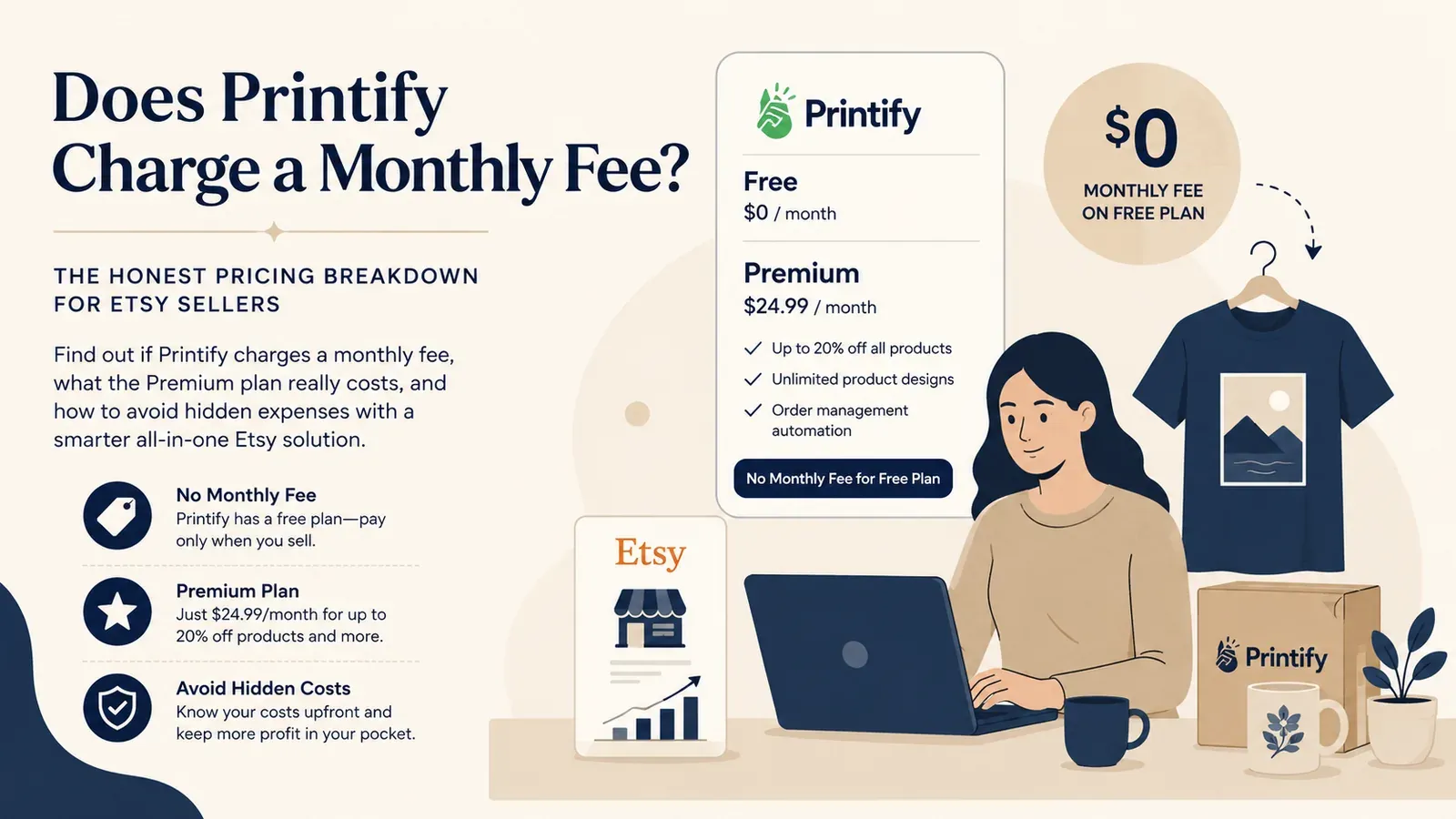
Printify offers a free plan, but it lacks critical features and charges transaction fees that eat into profits.
Printify Premium costs from $39/month and mainly gives you product discounts – it doesn’t solve the time and manual work problem.
Hidden costs like time spent on manual listing creation, mockup generation, and order processing often outweigh the monthly fee.
Listybox bundles premium POD features, advanced SEO, automation, and the lowest product prices into one subscription with no extra premium tier.
With Listybox’s integrated ecosystem, sellers cut the hours they spend on repetitive listing work and keep more profit per sale.
If you’re building an Etsy print-on-demand business, you’ve probably typed “does Printify charge a monthly fee” into Google at 2 a.m. while trying to figure out where your profit margins are disappearing. The answer isn’t a simple yes or no – and that’s exactly the problem. Printify’s pricing model can feel like a maze, and what looks free on the surface often comes with costs that quietly drain your bank account.
Olivia, a small brand owner from Austin, started her Etsy shop full of excitement. She signed up for Printify’s free plan, uploaded a few designs, and waited for sales. Three months later, she was spending more time manually creating listings than actually selling. Her profit per shirt was lower than expected, and she wasn’t even sure why. Olivia’s story isn’t unique. It’s the reality for thousands of sellers who don’t fully understand what “free” really means in the POD world.
In this guide, we’ll cut through the confusion. We’ll explain exactly how Printify’s pricing works, uncover the hidden costs, and show you a smarter way to run your Etsy shop without paying extra monthly fees for basic features.
Does Printify Have a Free Plan?
Yes, Printify does offer a free plan. Anyone can create an account, connect an Etsy store, and start designing products without paying a monthly subscription. On the surface, that sounds perfect for a new seller who wants to test the waters without upfront costs.
But here’s what the free plan doesn’t give you: access to the best product prices. Printify’s free tier charges you the full retail production cost for every item. When a customer buys a t-shirt, you pay the base price – often $2 to $5 more per unit than sellers on the Premium plan. For a store doing 50 orders a month, that’s an extra $100–$250 vanishing from your pocket.
📈 Sellers on Printify’s free plan lose an average of $3.40 per order compared to Premium users – that’s over $2,000 a year for a shop processing 50 orders monthly.
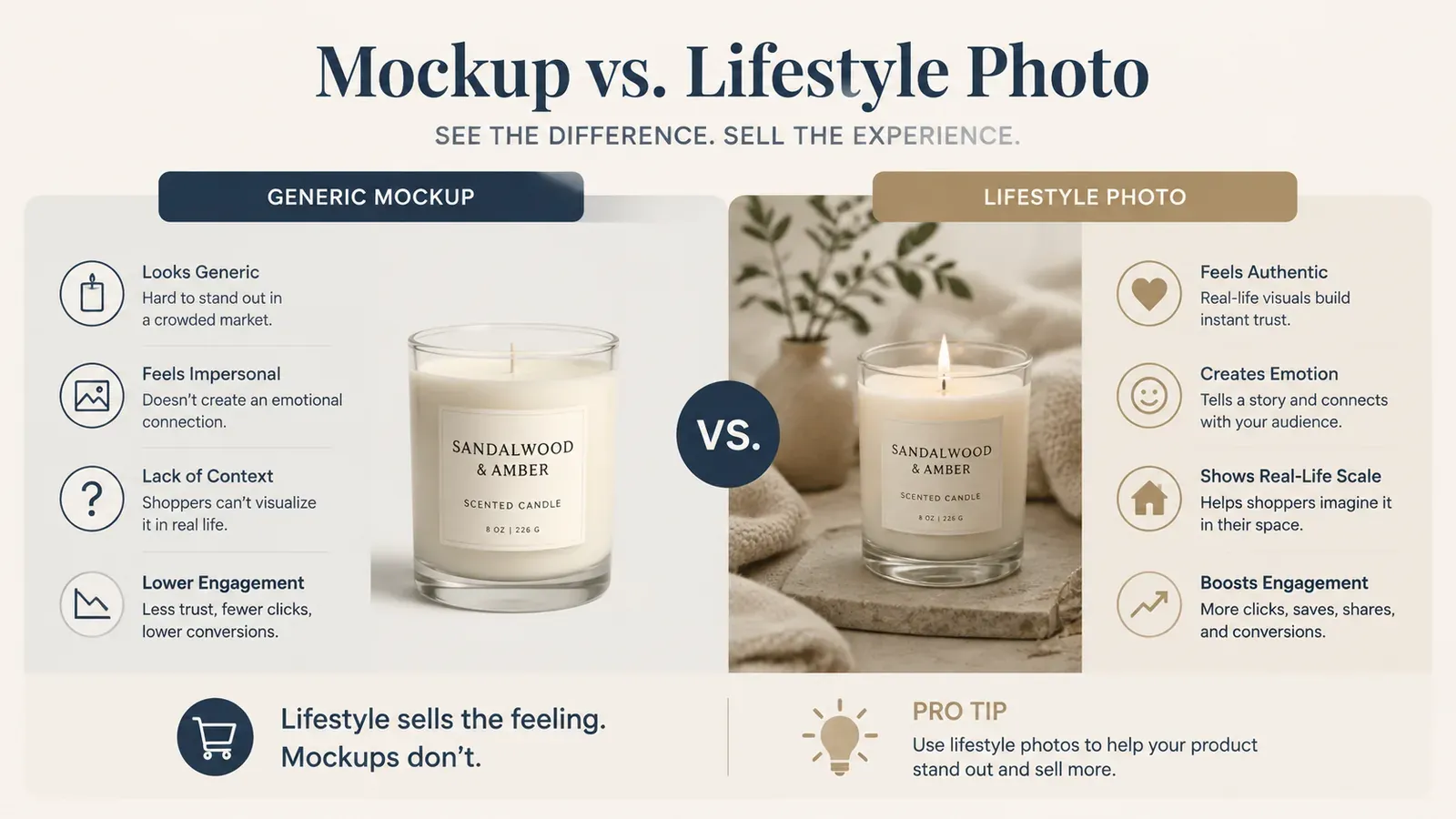
The free plan also lacks advanced mockup options. You’re stuck with the same generic product images that 20,000 other sellers use. When a customer scrolls through Etsy search results, your listing looks identical to every competitor’s. Standing out becomes nearly impossible.
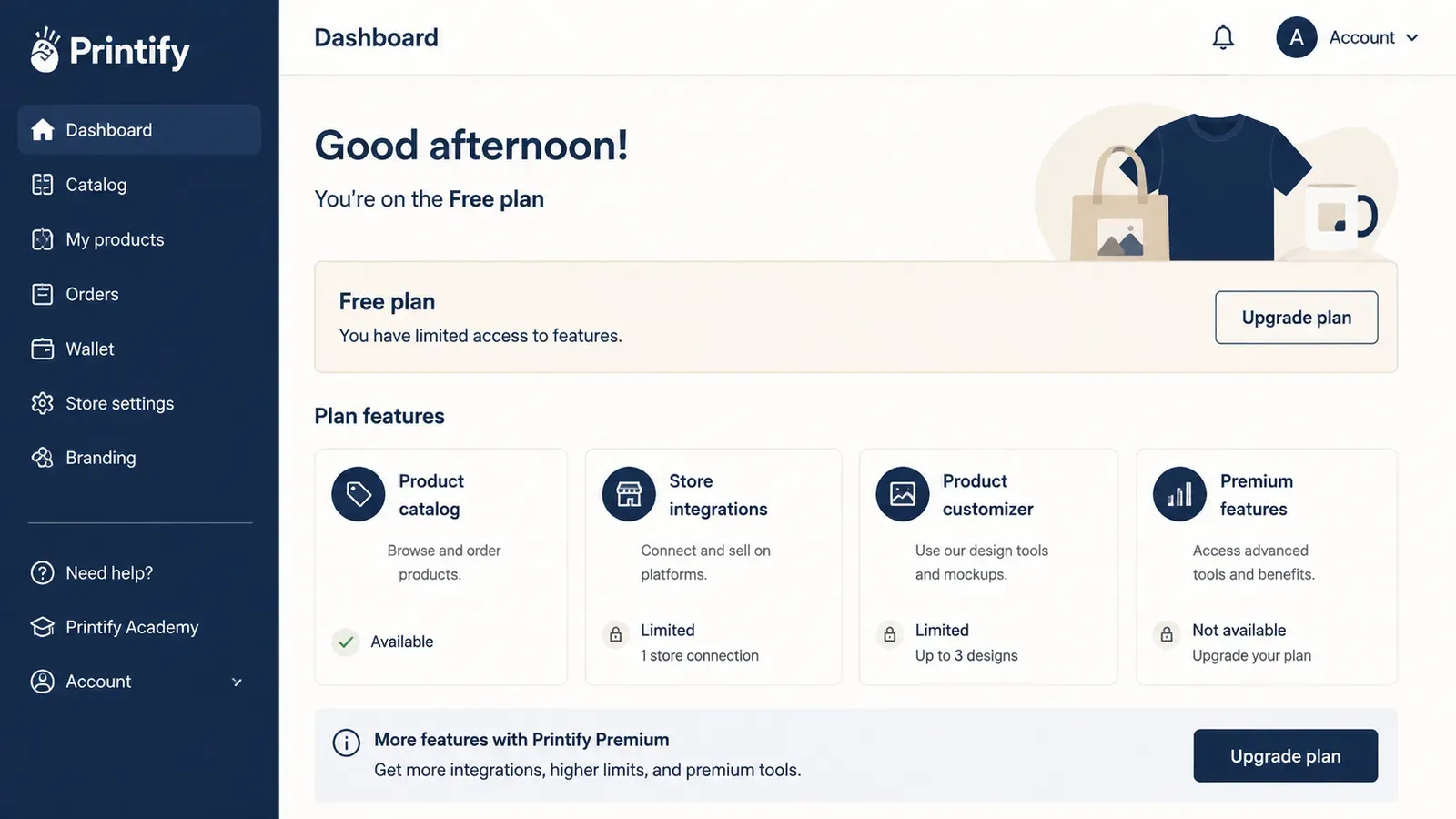
What about customer support? Free users get standard email support, but during peak seasons, response times can stretch to 48 hours. If a production issue arises on a Friday evening, you might not hear back until Tuesday – while your customer grows impatient.
So, does Printify charge a monthly fee? Not if you stay on the free plan. But the real question is: what are you paying in lost profits and time?
What Does Printify Premium Cost and Is It Worth It?
Printify Premium is the platform’s paid tier, priced from $39 per month (or $24.99/month if billed annually). For that fee, you unlock up to 20% discount on product base prices across all print providers. The math seems straightforward: if you sell enough, the discount covers the subscription and then some.
Let’s break it down. A Gildan 5000 t-shirt printed on one side might cost $8.40 on the free plan. With Premium, that drops to around $6.72. If you sell 30 shirts a month, the $50.40 in savings already pays for the membership. On paper, it’s a no-brainer.
But here’s the catch: Printify Premium only reduces your product costs. It doesn’t make you faster. It doesn’t write your Etsy SEO titles. It doesn’t create unique lifestyle mockups that stop scrollers in their tracks. You’re still spending hours every day on the manual grind – uploading designs, writing descriptions, researching tags, and processing orders one by one.
⚠️ Paying for Premium saves money on products, but it does nothing to save your time – the one resource you can’t buy more of.
For Olivia, upgrading to Premium felt like a win at first. Her margins improved, but her workload didn’t budge. She was still awake at midnight, manually creating listings for her 200-product catalog. The $39 monthly fee solved one problem but left the bigger one untouched: the sheer number of hours required to run a POD shop.
There’s also the question of commitment. Printify Premium locks you into that monthly cost regardless of how many sales you make. If you have a slow month, the subscription still hits your credit card. And if you cancel, your product prices in minutes revert to the higher free-plan rates – a painful jolt to your margins.
If you’re curious about how Printify’s pricing stacks up against other platforms, check out our detailed comparison: Printify vs Printful vs Gelato: The Ultimate Etsy POD Comparison for 2026.
The Hidden Costs of Printify’s “Free” Plan
When sellers ask “does Printify charge a monthly fee,” they’re usually focused on the visible number on their billing statement. But the real costs often hide in places you don’t expect.
Time: The Invisible Expense
Every minute you spend manually doing something that could be automated is a minute you’re not spending on growth, product research, or simply living your life. On Printify’s free plan, you’re doing everything by hand: creating each listing, writing titles and tags, adjusting mockup placements, and fulfilling orders.
Those using only free tools spend hours each week on operational tasks. That’s nearly half a full-time job – unpaid. If your time is worth even $15 an hour, that’s $270 a week in hidden labor costs.
Missed SEO Opportunities
Etsy is a search engine. If your listings aren’t optimized with the right keywords, they remain invisible. Printify doesn’t offer built-in SEO copywriting. You’re on your own to research tags, write compelling titles, and craft descriptions that convert. Most sellers either skip this step entirely or spend hours wrestling with external tools.
A listing with weak SEO might get 10 views a month. The same design with expert-level optimization can pull in 500+ views. The cost of poor SEO isn’t a line item – it’s the revenue you never earned.
Generic Mockups That Kill Click-Through Rates
Free mockups are everywhere. But when every seller uses the same flat t-shirt image, buyers scroll past without a second glance. Listings with unique, lifestyle-oriented product photos pull a clearly higher click-through rate on Etsy. Printify’s free mockup library simply can’t deliver that.
The Support Gap
When a shipment goes missing or a print quality issue arises, fast support is critical. Free-plan users often wait days for resolutions. During that time, your Etsy store’s star rating can take a hit. One 3-star review can drop your conversion rate. That’s a hidden cost that compounds over time.
How Printify’s Pricing Compares to Other POD Platforms
Printify isn’t the only player in town. Other platforms have their own pricing quirks, and understanding the landscape helps you make an informed choice.
Most POD services follow a similar pattern: a free tier with higher product costs, and a paid tier that unlocks discounts. Some, like Printful, don’t charge a monthly fee at all but have higher base prices. Others offer subscription models with bundled features. The key is to look beyond the monthly fee and evaluate what you actually get for your money.
For a deeper dive into platform comparisons, read our analysis: Printify Premium Plan Review: Is It Worth the Monthly Fee?.
But here’s the shift that smart sellers are making: instead of paying a monthly fee just for product discounts, they’re choosing platforms that bundle automation, SEO, and unique mockup generation into one subscription. That way, every dollar spent reduces both product costs AND the time required to run the business.
A Smarter Alternative: Why Pay Extra When Everything Is Included?
This is where the conversation changes. Instead of asking “does Printify charge a monthly fee,” the better question is: “Is there a platform where one subscription covers everything I need?”
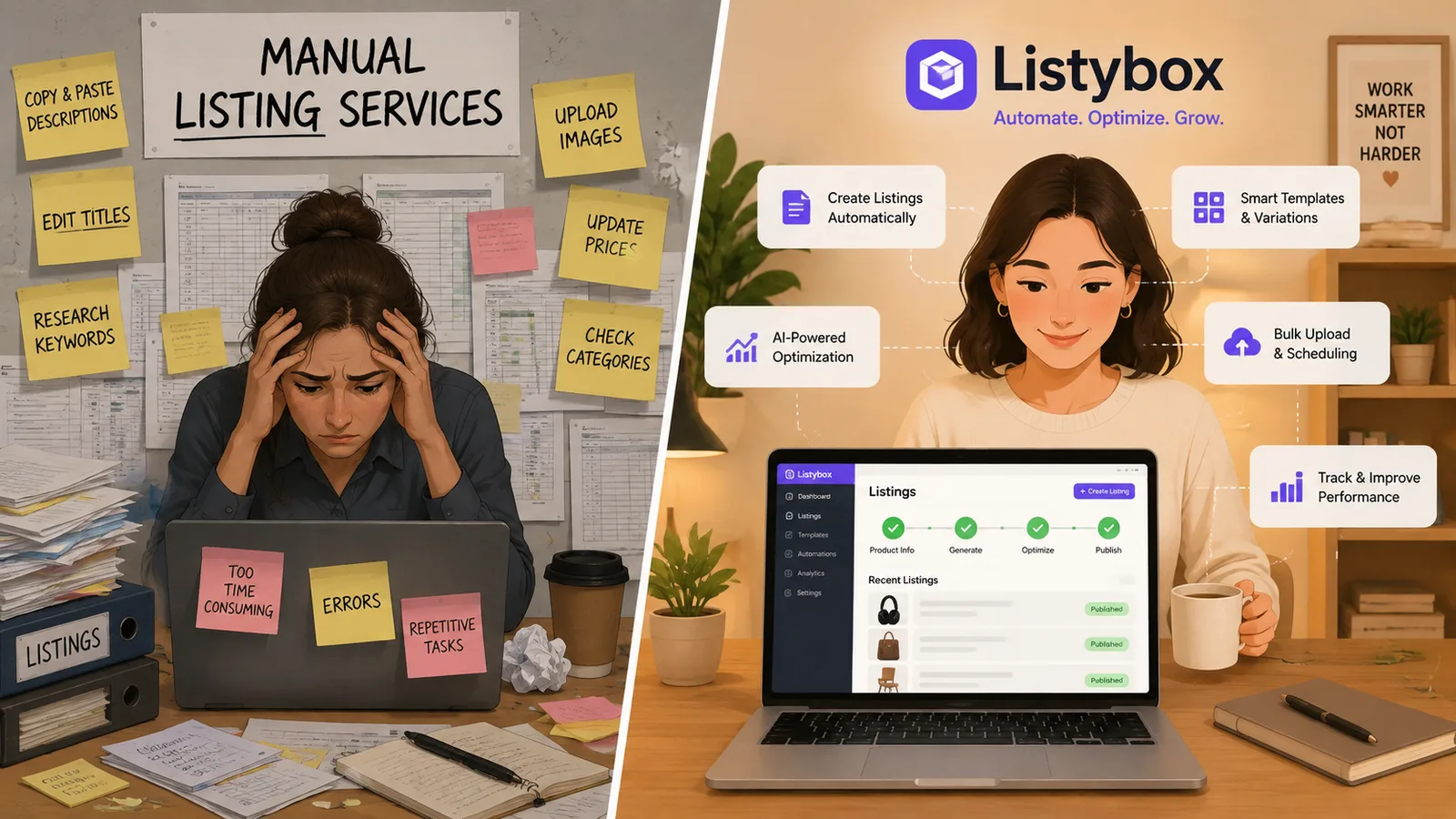
Listybox was built specifically for Etsy sellers who want to scale without adding more tools, more subscriptions, or more hours to their week. It’s not just a POD fulfillment service – it’s an integrated ecosystem that handles the entire workflow from design to delivery.
Product Prices Without the Premium Fee
Listybox’s Lowest Price Guarantee means you automatically get the best available production rates without paying an extra $39/month for a “Premium” tier. The platform negotiates bulk pricing on behalf of the entire community, so even a brand-new seller gets rates that beat Printify’s Premium discounts. No separate subscription, no sudden price hikes if you downgrade.
Built-In SEO That Actually Works
The Magic Wand feature generates Etsy-optimized titles, 13 tags, and product descriptions in one click. It analyzes real-time bestseller data and trending keywords, so every listing has a fighting chance on page one. Instead of spending 45 minutes per listing on SEO, you spend 10 seconds.
Unique Lifestyle Mockups That Convert
With Listystyle, you can create hundreds of original lifestyle product images in minutes. No more blending into the sea of sameness. The feature places your designs into realistic, high-quality scenes tailored to your target audience.
Automation That Frees Your Time
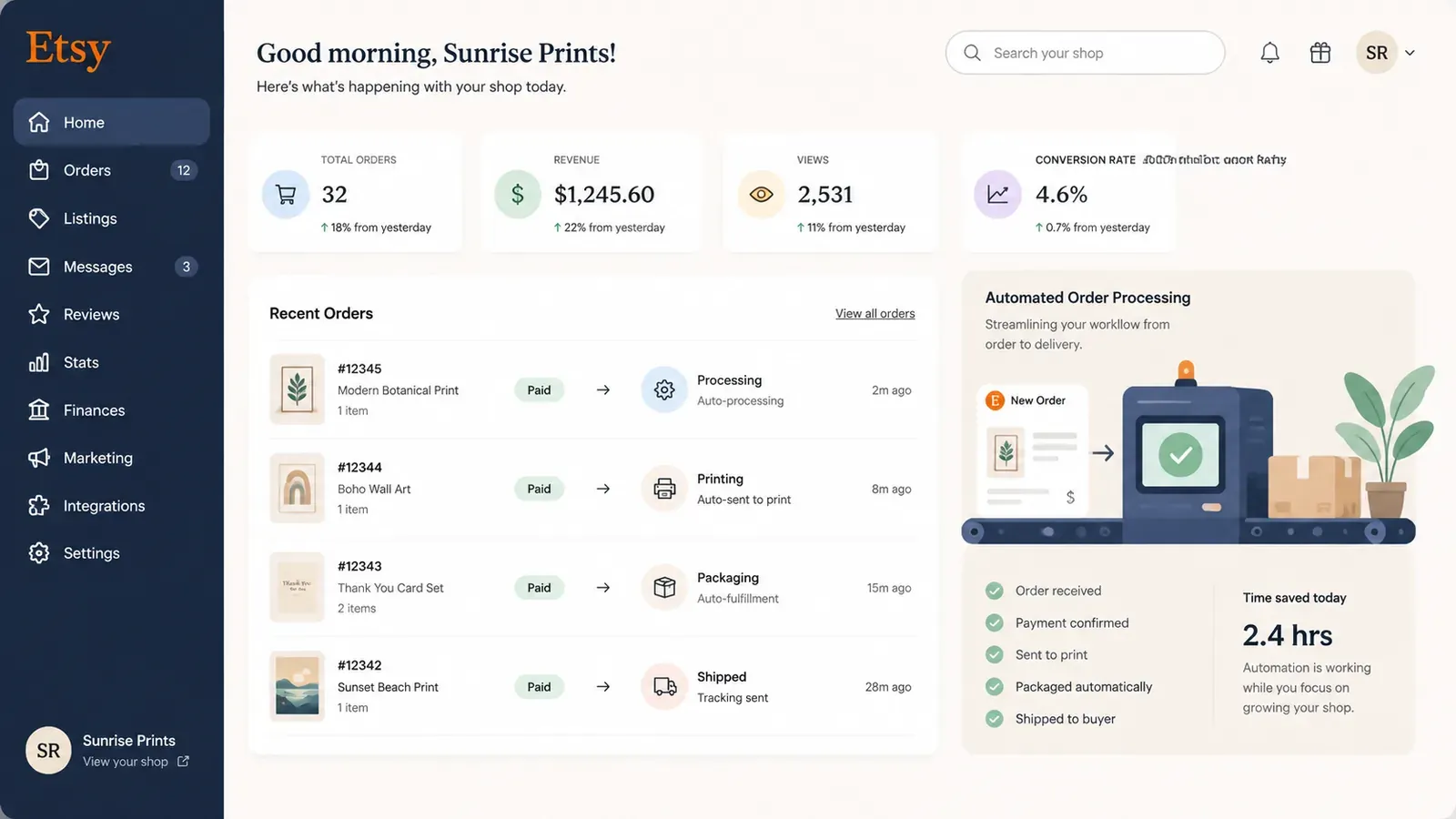
Zero-Touch Fulfillment automatically routes orders to the best-performing print provider, retrieves tracking numbers, and updates Etsy – without you lifting a finger. Scheduled Publish lets you create a month’s worth of listings in one sitting and drip them out daily to keep your shop active in Etsy’s algorithm.
For a full breakdown of how Listybox stacks up against manual platforms, see Listybox vs. Printify: The Integrated Ecosystem Advantage.
How to Avoid Monthly Fees and Maximize Profit on Etsy
If you’re tired of piecing together a dozen tools and paying multiple subscriptions, here’s a practical path forward.
Step 1: Consolidate Your Tech Stack
Most sellers use one platform for fulfillment, another for mockups, a third for keyword research, and maybe a fourth for order tracking. Those subscriptions add up fast. By switching to an all-in-one platform, you eliminate overlapping costs and reduce your monthly overhead.
Step 2: Automate Repetitive Tasks
Anything you do more than three times a week should be automated. Listing creation, tag research, order processing – these are tasks a platform can handle faster and more accurately than a tired human at midnight.
Step 3: Invest in Unique Visuals
Etsy buyers make split-second decisions based on images. Unique lifestyle photos aren’t a luxury; they’re a requirement for standing out. Platforms that generate these automatically give you a competitive edge without the cost of a professional photographer or hours in Photoshop.
Step 4: Use Data, Not Guesswork
Trend Compass scans social media and news sources 24/7 to identify rising trends before they saturate the market. Instead of guessing what might sell, you launch products backed by real-time demand signals. This reduces the risk of wasting time and listing fees on designs that never take off.
Real Sellers, Real Savings: Olivia’s Transformation
Let’s return to Olivia. After three months of burning out on Printify’s free plan – and then paying for Premium without real relief – she made a switch. She moved her entire catalog to Listybox.
Within the first week, Magic Wand rewrote all 200 of her listings with SEO-optimized content. Listystyle generated fresh lifestyle images that made her products look like they belonged in a boutique. Zero-Touch Fulfillment took order processing off her plate entirely.
The result? Olivia’s weekly operational workload dropped from 18 hours to under 3 hours. Her Etsy conversion rate climbed. And because she was no longer paying a separate Premium fee just for product discounts, her net profit per sale increased.
She didn’t just save money – she bought back her time.
Is Switching Really Worth It? Let’s Look at the Numbers
Consider a mid-sized Etsy shop doing 100 orders per month with an average item price of $25.
On Printify’s free plan, product costs might average $9 per item. That’s $900 in product costs. Add in the hidden time cost (let’s conservatively value it at $10/hour for 50 hours of manual work) and you’re at $1,400 in total monthly costs.
On Printify Premium, product costs drop to $7.20 per item – $720. Add the $39 subscription and the same 50 hours of manual labor (because Premium doesn’t automate anything), and you’re at $1,259.
On Listybox, product costs are around $7 per item ($700). The subscription includes automation, SEO, and mockup generation, slashing manual work to about 10 hours ($100). Total: $800 – plus the value of better SEO-driven traffic and higher conversion rates from unique images.
💡 The platform you choose doesn’t just affect your product cost – it determines how many hours of your life you trade for each sale.
What About Etsy Fees? Don’t Forget the Big Picture
It’s easy to obsess over POD platform fees while forgetting that Etsy itself takes a cut. Etsy charges a $0.20 listing fee per item, a 6.5% transaction fee on the sale price, and a US 3% + $0.25 payment processing fee. These are non-negotiable, but you can control your other costs.
When you reduce your product costs and eliminate extra subscriptions, you create a buffer that absorbs Etsy’s fees without gutting your profit. For a complete breakdown of what Etsy takes from sellers, read What Percentage Does Etsy Take? A Complete 2026 Fee Breakdown for Sellers.
Your Next Move
If you’ve been asking “does Printify charge a monthly fee,” you’ve already taken the first step toward understanding your true costs. The next step is deciding whether you want to keep paying for fragmented tools and manual processes – or switch to a platform that bundles everything into one subscription with no hidden premium tiers.
Start free – no credit card required and see how much time and money you can reclaim.
For a personalized recommendation, take our 2-minute quiz to find the right plan for your shop’s size and goals.
Frequently asked questions
Put this into practice in your shop.
Every step from design to live listing, on one platform. Start on the free plan.
Related posts

Want to go deeper? Read our in-depth Etsy guides · Browse 100 Etsy niche guides