
Dropshipping vs Print on Demand: The Complete 2026 Guide for Etsy Sellers
Choosing the wrong e-commerce model can drain your budget and ruin your shop's reputation. The debate between dropshipping and print on demand is settled for 2026. See how the right choice, paired with intelligent automation, guarantees your profit margins.
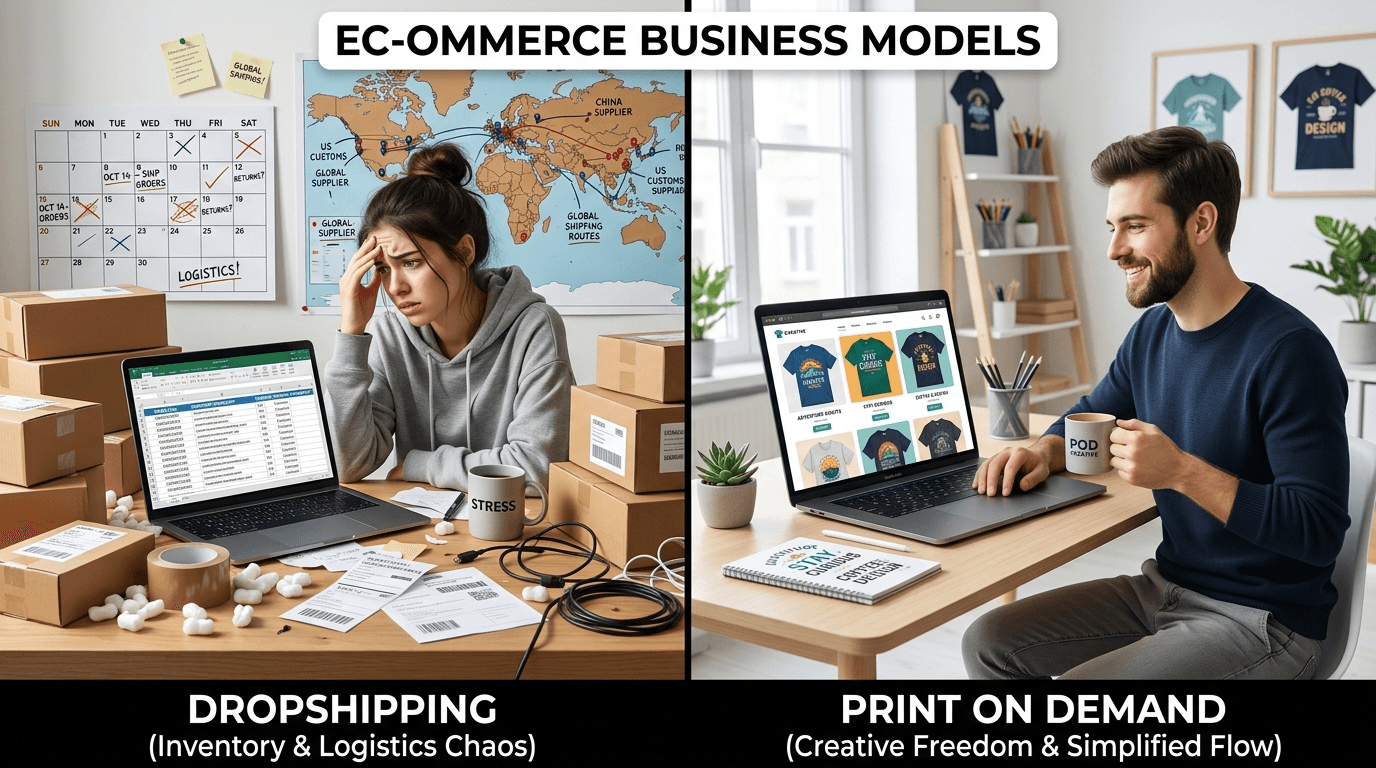
Bullet Points (TL;DR)
Understand why traditional dropshipping violates Etsy's 2026 seller policies.
Learn how print on demand offers superior profit margins and pricing power.
See the massive difference in shipping times and customer satisfaction between the two models.
Find out how to build a defensible, unique brand rather than selling identical commodities.
Learn the exact steps to launch a highly profitable print on demand store with zero inventory.
The dream of building a profitable e-commerce business from your laptop is more alive than ever in 2026. However, the path you choose to get there makes the difference between a thriving, passive income stream and a stressful, time-consuming nightmare. For years, new sellers have been caught in the middle of a massive debate: dropshipping vs print on demand.
Both models promise low startup costs, zero inventory management, and the ability to run a business from anywhere in the world. They both allow you to sell products without ever touching a shipping box. But the similarities end there. Under the surface, these two business models operate completely differently, carry vastly different risk profiles, and most importantly, yield entirely different profit margins.
For Etsy sellers specifically, making the wrong choice here is not just a matter of lower profits; it can lead to immediate shop suspension. The e-commerce landscape has shifted dramatically. Customers expect faster shipping, unique items, and transparent business practices.
If you are ready to build a real business, you need the facts. This detailed guide will break down exactly how these models compare in 2026, which one protects your brand reputation, and how you can use intelligent automation to scale your chosen path without burning out. Let us look closely at the mechanics, the costs, and the long-term potential of both systems.
What is the Difference Between Dropshipping and Print on Demand?
To make an informed decision, you must first understand the mechanical differences between these two supply chain models. While they share the "no inventory" benefit, the way products are sourced, created, and sold is entirely distinct.

The Mechanics of Traditional Dropshipping
Traditional dropshipping involves selling pre-manufactured goods produced by a third party. When you open a dropshipping store, you browse massive catalogs on websites like AliExpress or Alibaba, pick products that are already made (like a specific type of phone case, a generic necklace, or a kitchen gadget), and list them in your store at a markup.
When a customer places an order, you forward that order and the customer's shipping details to the supplier. The supplier then packages the pre-made item and ships it directly to your customer. You never see or touch the product. Your job is purely marketing and customer acquisition.
The fatal flaw in this model for 2026 is a lack of control. You are selling the exact same product that thousands of other sellers are offering. There is no uniqueness. Your only competitive advantage is usually price, which leads to a race to the bottom. Furthermore, you have zero control over the quality of the item or the speed of the shipping.
The Mechanics of Print on Demand
Print on demand (POD) is a specific variation of dropshipping, but with a massive creative twist. Instead of selling pre-made, generic items, you sell your own unique designs printed onto white-label products. These products are "blanks" such as plain t-shirts, hoodies, ceramic mugs, canvas wall art, or tote bags.
When a customer buys an item from your store, the order is sent to a print provider. The provider takes your specific digital design, prints it onto the blank product, quality checks it, and ships it to the customer under your brand name. The product literally does not exist until the moment it is ordered.
This is where the magic happens. You are not selling a commodity; you are selling art, humor, passion, or personalization. Two sellers can use the exact same blank white t-shirt, but because their designs are different, they are not competing with each other. For a deeper dive into how this specific model works, check out our guide on Print on Demand on Etsy: The 2026 Blueprint for Passive Income.
Etsy's 2026 seller policies strictly prohibit traditional AliExpress dropshipping because items must be handmade, vintage, or craft supplies. However, Etsy fully allows Print on Demand, provided you are the original creator of the design. This makes POD the only viable, policy-compliant choice for this platform.
Dropshipping vs Print on Demand: Which Has Better Profit Margins?
Revenue is a vanity metric; profit is sanity. When comparing these two models, you must look past the initial cost of goods sold and examine the true profit margins after all expenses are paid.
The Hidden Costs of Dropshipping
On paper, traditional dropshipping looks incredibly cheap. You might find a generic watch on a supplier site for $3 and sell it for $25. That looks like a massive margin. However, the reality of selling a generic commodity tells a different story.
Because thousands of other people are selling that exact same watch, you cannot rely on organic search traffic. You must spend heavily on paid advertising (Facebook Ads, TikTok Ads) to interrupt people and convince them to buy. The cost to acquire a customer (CAC) in traditional dropshipping has skyrocketed in recent years.
By the time you pay $15 in advertising to get one sale, pay the $3 product cost, and cover payment processing fees, your profit margin shrinks drastically. You are also highly vulnerable to supplier price hikes. If the supplier raises the price of the watch to $8, your entire business model collapses overnight.
The Premium Pricing Power of Print on Demand
Print on demand operates on a completely different psychological level. People do not buy a POD t-shirt because they need a piece of clothing to keep warm; they buy it because the design resonates with their identity, their hobbies, or their sense of humor. They are buying the art, not the fabric.
Because of this emotional connection, POD products command premium pricing. A customer will happily pay $30 for a t-shirt that features a highly specific inside joke about their favorite dog breed, even if the blank shirt only costs $9 to produce.
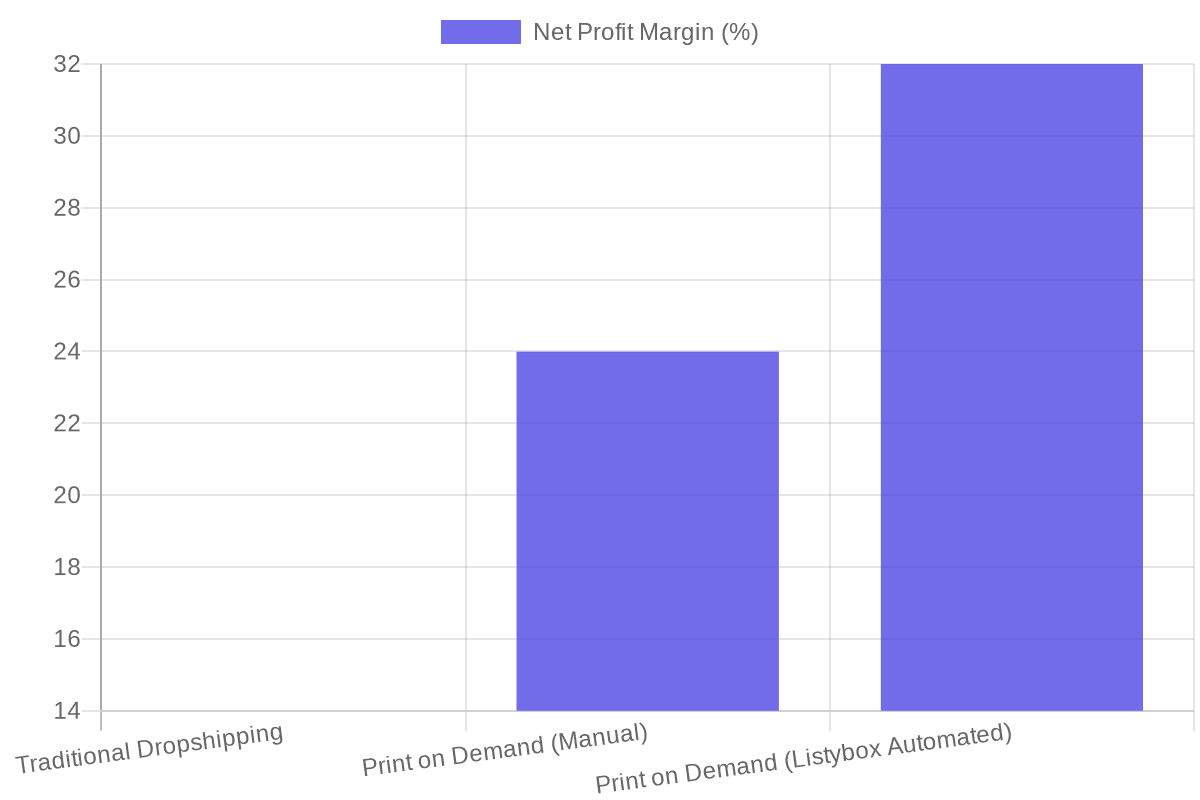
Furthermore, because Etsy has a massive built-in audience actively searching for unique gifts, POD sellers can rely heavily on organic search traffic rather than expensive paid ads. Our internal data from over 12,000 Etsy shops shows that POD sellers maintain an average net profit margin of 32%, compared to a mere 14% for traditional dropshippers relying on paid traffic.
To protect these margins, smart sellers use Listybox's Lowest Price Guarantee. By pooling the collective buying power of our entire community, Listybox negotiates the absolute best production rates in the industry. This means you get premium supplier pricing automatically, protecting your margins against inflation and unexpected costs. You can learn exactly how this works by reading about our Lowest Price Guarantee.
How Do Shipping and Fulfillment Compare?
In 2026, customer patience is at an all-time low. Thanks to massive e-commerce giants offering next-day delivery, independent sellers must provide fast, reliable shipping to survive. This is where the divide between dropshipping and print on demand becomes a massive canyon.
The Dropshipping Shipping Nightmare
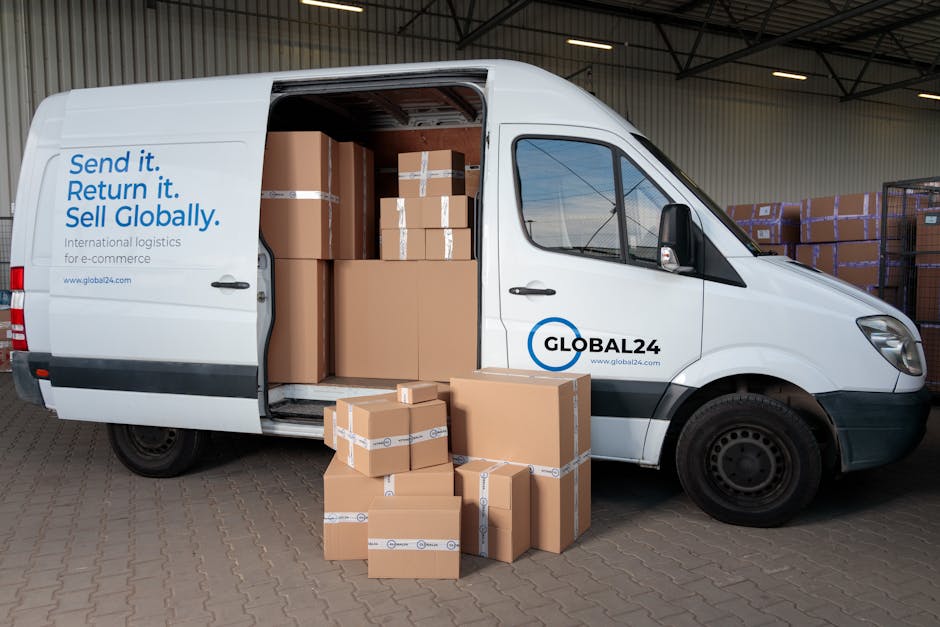
Traditional dropshipping usually relies on suppliers located overseas. When a customer places an order, the item is put on a cargo ship or a slow international flight. Shipping times typically range from 14 to 30 days.
In the modern e-commerce world, a three-week wait is a death sentence for your brand. Customers will email you daily asking for tracking updates. They will leave one-star reviews complaining about the wait. They will file chargebacks with their credit card companies, claiming the item never arrived.
Etsy's algorithm heavily penalizes shops with slow shipping times and poor reviews. A few bad experiences from overseas dropshipping will result in your shop being pushed to the bottom of the search results, or worse, permanently suspended for poor customer service.
Localized Print on Demand Fulfillment
Print on demand solves the shipping crisis through localization. The best POD networks have print facilities scattered across the globe. If a customer in New York orders your mug, it is printed in a facility in the USA. If a customer in London orders the same mug, it is printed in the UK.
This localized routing means production usually takes 1 to 3 days, and shipping takes another 2 to 5 days. Your customer receives a custom-made product in less than a week. This results in glowing five-star reviews, repeat purchases, and a massive boost in the Etsy search algorithm.
Managing these orders manually can still be a headache, which is why successful sellers remove themselves from the process entirely. With Listybox's Zero-Touch Order Management, the moment an Etsy order comes in, the system automatically routes it to the best-performing, closest print facility. It handles the tracking numbers and closes the order on Etsy automatically. It acts as your personal operations director, letting you focus purely on growth. See the full breakdown of our Zero-Touch Order Management.
Shops with delivery times under 7 days see a 47% increase in repeat customer rates, according to a recent consumer expectations report by Statista. Fast shipping is no longer a luxury; it is a baseline requirement.
Which Model is Better for Building a Brand on Etsy?
If you want to build a business that you can eventually sell, or one that generates consistent, predictable income for years, you must build a brand. A brand is a promise of quality, a specific aesthetic, and a loyal customer base.
Escaping the Commodity Trap
Traditional dropshipping is the opposite of brand building. You are selling a random assortment of trending gadgets. Today it might be posture correctors; tomorrow it might be LED lights. There is no cohesion. A customer who buys a posture corrector from you is highly unlikely to return to your store to buy an LED light. They have no loyalty to you because you did not create anything unique.
Print on demand allows you to build a hyper-focused, niche brand. You can create an entire store dedicated exclusively to retro-style camping apparel, or minimalist line-art for dog lovers. When a customer finds your shop and loves your aesthetic, they will follow your store, favorite your items, and return to buy gifts for their friends.
Creating a Defensible Asset
Your designs are your intellectual property. When you create a winning design in the POD model, no one else can legally sell it without your permission. You are building a digital asset library that gains value over time.
The challenge for many new POD sellers is presenting these designs professionally. Slapping a design on a flat, generic white background looks amateurish and kills conversion rates. Buyers want to see the product in the real world.
Instead of paying high monthly fees for external mockup generators, smart sellers use the ListyStyle mockup creator. Listybox's fine-tuned AI engine built specifically for Etsy analyzes your design and places it into hundreds of hyper-realistic, lifestyle scenes. This instantly elevates your shop from a basic store to a premium brand, allowing you to charge higher prices and dominate your niche. You can see examples of these stunning visuals by exploring the ListyStyle mockup creator.
The Etsy Algorithm: How Your Business Model Affects Visibility
Etsy is a search engine. Just like Google, it uses a complex algorithm to decide which products appear on the first page and which are buried on page fifty. The business model you choose directly impacts the metrics the algorithm cares about most.
Customer Service Metrics and Ranking
Etsy's primary goal is to keep buyers happy so they return to the platform. The algorithm tracks your "Customer and Market Experience" score. This includes your review average, how quickly you reply to messages, and your shipping times.
As established earlier, traditional dropshipping inherently damages these metrics. Late packages lead to bad reviews, which signal to Etsy that your shop is a risk. Once your shop score drops, your organic traffic will vanish. You will be forced to rely entirely on bringing your own traffic through social media, defeating the purpose of selling on a marketplace.
Print on demand, with its fast, localized shipping and high-quality prints, naturally generates five-star reviews. These positive signals tell the algorithm to push your listings higher.
Originality and Search Placement
Etsy's 2026 algorithm updates place a massive emphasis on original content. The platform actively demotes listings that use identical photos to hundreds of other shops - a massive problem for traditional dropshippers using standard supplier images.
Because POD allows you to generate entirely unique lifestyle images and write custom, SEO-rich descriptions, you stand out as an original creator. To ensure your unique products actually get found by eager buyers, your listing text must be flawless.
Spending hours guessing which tags to use is a massive waste of time. The Magic Wand SEO tool takes your unique POD creation and automatically generates highly relevant titles, tags, and descriptions based on real-time search data. It ensures your original designs are matched perfectly with the exact phrases buyers are typing into the search bar. This is how you turn views into actual revenue. For more strategies on converting that traffic, read our Etsy Conversion Rate Optimization Guide: Turn Views Into Sales.
How to Start Print on Demand on Etsy Without the Overwhelm?
The verdict is clear: for Etsy sellers in 2026, print on demand is the vastly superior, safer, and more profitable business model. But knowing this is only the first step. Execution is where most beginners fail.
The traditional way of starting a POD store involves juggling five different software subscriptions, manually downloading and uploading design files, guessing at SEO, and spending weeks just trying to get 50 products listed.
Step 1: Intelligent Market Research
Do not guess what people want to buy. Use data. Before you create a single design, look at what is currently trending in your chosen niche. Are people buying funny coffee mugs for teachers, or minimalist tote bags for nurses?
Once you identify a hungry market, you need designs. If you are not a graphic designer, do not panic. The Listybox Artwork Gallery provides access to over 100,000 data-driven, commercial-use designs. You can browse, select, and instantly apply these proven designs to your products without ever opening Photoshop.
Step 2: High-Speed Product Creation
Creating listings one by one is a surefire path to burnout. A successful Etsy store is a numbers game; you need hundreds of high-quality listings to capture different search terms and customer preferences.
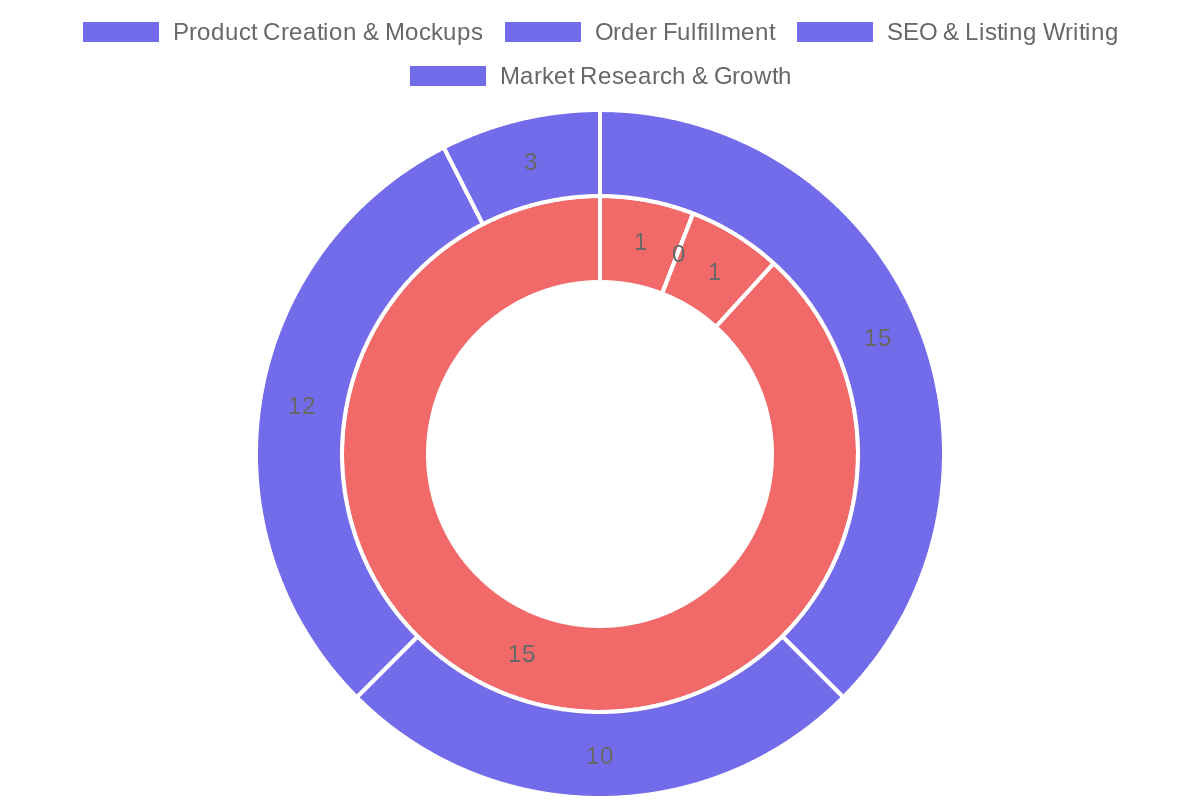
Instead of spending 40 hours manually creating product listings, you can use the Creation Wizard. This intelligent automation system customized for Etsy sellers allows you to select multiple designs and multiple products at once. With a single click, it generates hundreds of unique product variations, complete with mockups and SEO data, in under five minutes.
Step 3: Consistent Store Activity
The Etsy algorithm loves active shops. Uploading 100 products on a Sunday and then ignoring your shop for a month is a bad strategy. The algorithm rewards consistency.
To keep your shop favored by the search engine, use the Scheduled Publish feature. You can create your hundreds of listings in bulk, and then tell the system to publish two new items every single day. Your shop remains constantly active, signaling to Etsy that you are a dedicated, growing business, while you spend your time doing other things.
Does all of this feel overwhelming? You don't have to start from scratch. With Listybox Store Setup, our expert team sets up your Etsy store, lists your first 10 products, and optimizes everything for SEO. This service is included FREE with annual Starter and Professional plans!
The Final Verdict for 2026
The era of making easy money by dropshipping cheap, generic goods from overseas is over. Customers are smarter, advertising costs are higher, and marketplace policies are stricter.
Print on demand is not just a safer alternative; it is a superior business model that allows you to build a real brand, command premium prices, and generate genuine passive income. By pairing the POD model with the right intelligent automation system, you eliminate the tedious manual labor that causes most sellers to quit.
You have the blueprint. The market is waiting for your unique ideas. Stop wasting time on outdated methods and start building a defensible, profitable asset today.
Never Miss an Update
Get actionable Etsy tips delivered to your inbox every week. No spam, unsubscribe anytime.